Discover Loch Awe: Scotland’s Longest Freshwater Loch
Loch Awe, stretching for over 25 miles through Argyll and Bute in the west of Scotland, is the longest freshwater loch in the country. Surrounded by majestic mountains, dense forests, and ancient ruins, Loch Awe is a destination that offers natural beauty, rich history, and plenty of outdoor activities. Whether you’re interested in fishing, hiking, or exploring Scotland’s historical landmarks, Loch Awe provides an idyllic setting for visitors seeking a mix of adventure and tranquillity.
Fishing and Wildlife
Loch Awe is renowned for its excellent fishing opportunities, particularly for brown trout and pike, which are abundant in its waters. Anglers from across the UK visit the loch for a chance to catch record-sized fish, and fishing permits are readily available for those eager to spend a day on the water. The loch also has smaller populations of perch, salmon, and char, making it a popular spot for both novice and experienced anglers alike.
The loch and its surroundings are also a haven for wildlife. Birdwatchers can spot species like golden eagles, ospreys, and various waterfowl. Deer, otters, and other animals inhabit the forests around the loch, offering opportunities for wildlife enthusiasts to observe Scotland’s natural inhabitants in their habitat.
Scenic Walks and Outdoor Activities
Loch Awe’s extensive shoreline and surrounding landscapes provide plenty of options for scenic walks and hiking. The Loch Awe Circular Walk is one popular route that takes in the loch’s best views, with the towering Ben Cruachan mountain visible in the distance. For more experienced hikers, climbing Ben Cruachan offers breathtaking views of the loch and surrounding area from its summit.
Cycling, canoeing, and wild swimming are other popular activities around Loch Awe, making it a versatile destination for outdoor lovers. Its relatively remote location ensures peace and quiet, allowing visitors to enjoy the loch’s beauty without the bustle of busier tourist spots.
Castles and Historic Sites
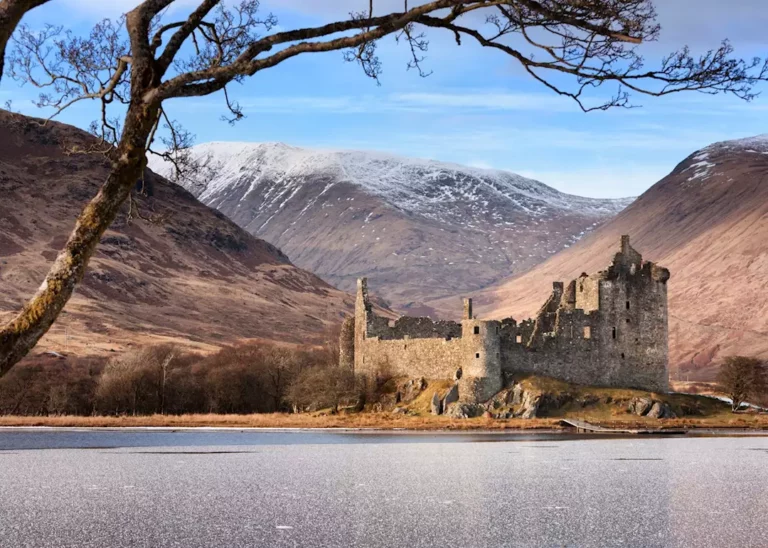
Loch Awe is steeped in history, with several ancient sites located along its shores. The most famous of these is Kilchurn Castle, a 15th-century ruin that sits on a peninsula at the northeastern end of the loch. Kilchurn Castle is one of Scotland’s most photographed castles, thanks to its dramatic location surrounded by mountains and water. Visitors can explore the castle’s ruins and learn about its history as the former seat of the powerful Campbell clan.
Another notable historic site near Loch Awe is Inishail Island, once home to a medieval nunnery and ancient burial ground. Visitors can take boat trips to explore the island’s ruins and appreciate its peaceful, spiritual atmosphere.
A Destination for Peace and Tranquillity
Loch Awe’s remote location and expansive size make it a peaceful escape for those looking to connect with nature. The loch’s tranquil waters and stunning scenery provide the perfect setting for relaxation, whether you’re boating, fishing, or simply sitting by the shore. With numerous cottages and guesthouses around the loch, it’s an ideal spot for a quiet Highland retreat.
Accessing Loch Awe
Loch Awe is easily accessible by car from major Scottish cities such as Glasgow and Edinburgh. For those travelling by public transport, the Loch Awe railway station is located on the western shore, offering connections from Glasgow and Oban. Boat trips are also available, allowing visitors to explore the loch from the water and reach some of its more remote locations.
Loch Awe is a destination that combines natural beauty, historical intrigue, and outdoor adventure, making it a must-visit for anyone exploring the Scottish Highlands.